Clark Lab Research
Studying the deoxyribonucleoside salvage pathway in autoimmune diseases.
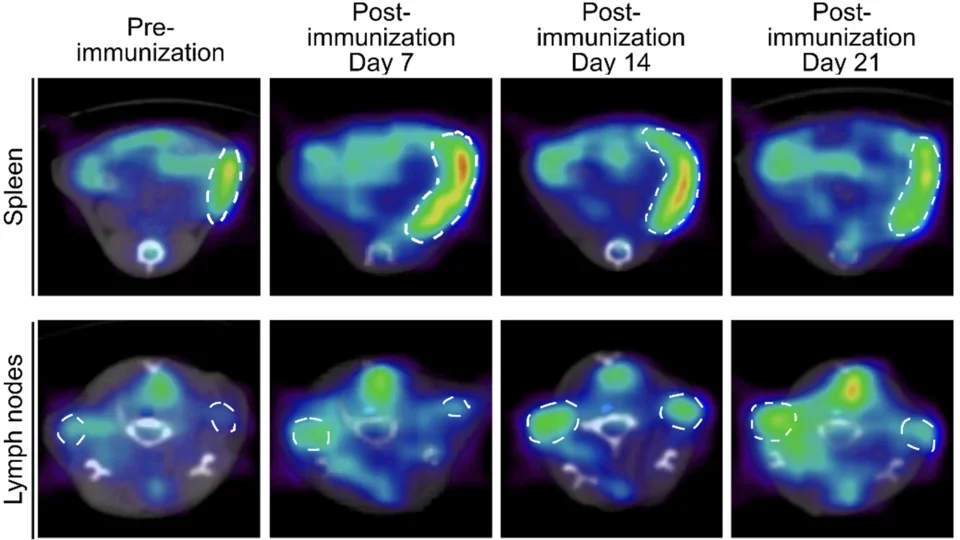
Autoimmune diseases affect up to 10% of the population and include common diseases such as multiple sclerosis and systemic lupus erythematosus (lupus). A common feature of autoimmune diseases is rapid lymphocyte proliferation, which requires a steady supply of the DNA building blocks deoxyribonucleoside triphosphates (dNTP). Cells produce dNTP through two complementary pathways: de novo and deoxyribonucleoside salvage with rate-limiting enzyme deoxycytidine kinase (dCK). In the Clark Lab, we study how proliferating lymphocytes use the deoxyribonucleoside salvage pathway to fuel their division and how targeting this pathway could limit disease.
Discovering new strategies for targeting elevated glucose consumption in cancer
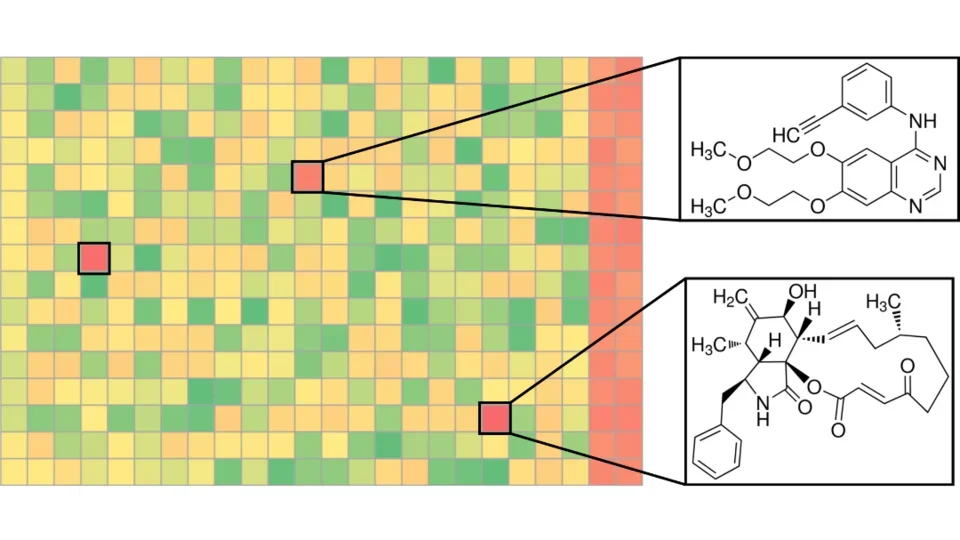
Elevated glucose consumption, or the Warburg Effect, is fundamental to nearly all cancer. The Warburg Effect was one of the first molecular phenotypes discovered about cancer and forms the basis of 18F-FDG PET imaging, which is used routinely to visualize cancer in the clinic. Despite being known for almost 100 years, the Warburg Effect has proven incredibly challenging to drug. We recently developed a high-throughput assay for measuring cellular glucose consumption that is over 100-fold faster than traditional assays. With this assay, we can now evaluate thousands of small molecules or proteins at a time to discover what mechanisms cancer cells use to drive glucose consumption, how these mechanism compare to what happens in healthy tissues, and which proteins or pathways should be targeted to selectively block cancer cell glucose consumption. Our goal is to leverage this information to develop selective inhibitors of cancer cell glucose consumption.